Purple Passion Plant (Gynura Aurantiaca)
Updated: Feb 7

Why Gothic Gardeners Love It
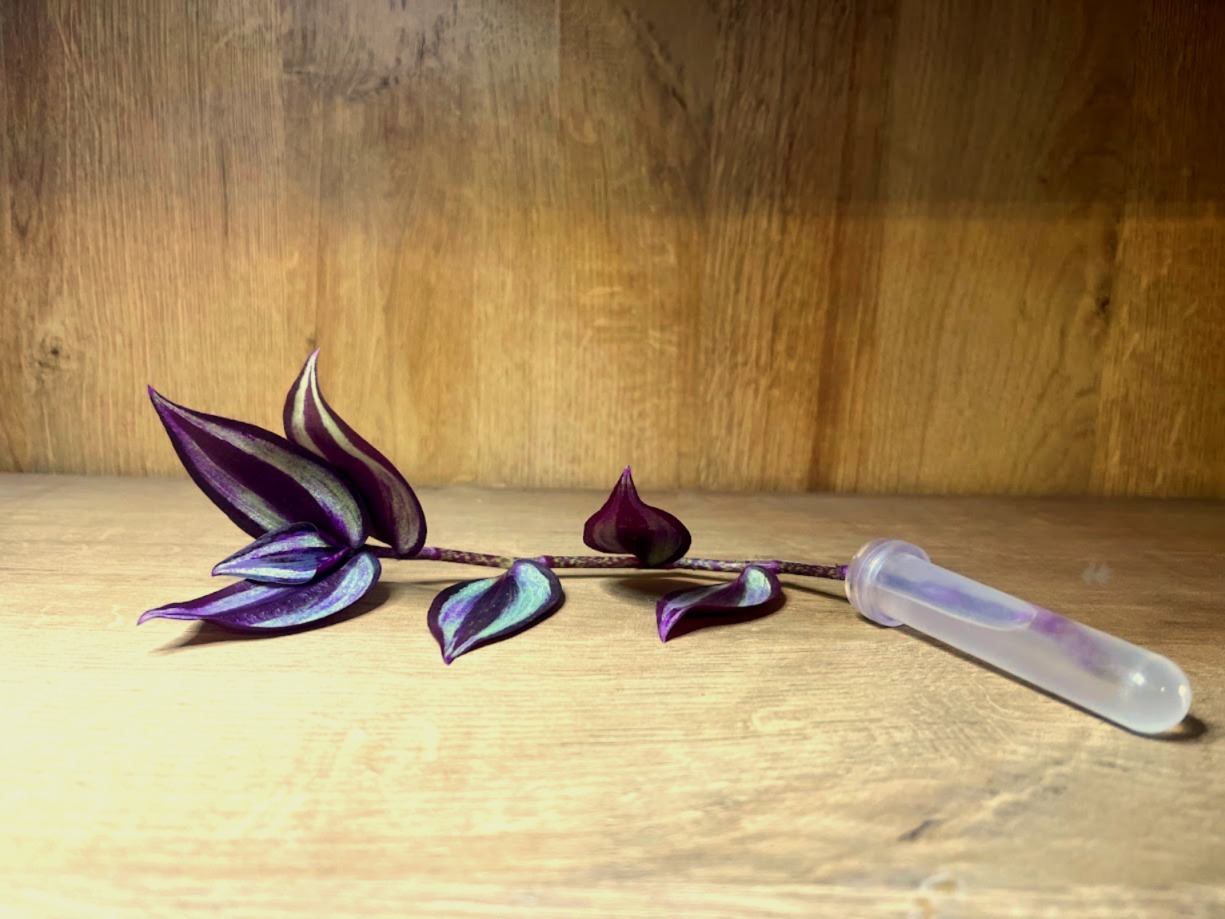
Rich green foliage dusted in electric purple fuzz
Otherworldly texture that looks almost unreal
A striking contrast plant for moody, gothic interiors
Pet-safe despite its wild appearance!
Beginner-friendly with high visual payoff
Why You Need It
The Purple Passion plant is a living contradiction—in the best way. Its deep green, serrated leaves are cloaked in fine violet hairs that shimmer under the right light, giving the plant an almost supernatural glow. This exotic texture makes it a standout in gothic gardens, dark decor spaces, and curated plant collections where drama matters.

Despite its bold and unusual appearance, Purple Passion is refreshingly easy to care for. It thrives indoors with minimal effort and rewards growers with lush trailing growth when given the right conditions. As the plant matures, it may produce small orange flowers - they provide an interesting cintrast, but smell bad. Pretty funny, but most growers choose to trim them.
This is a plant chosen not for subtlety, but for presence.

Cautionary Tales and Common Questions
Flowering: Small orange flowers may appear when the plant is mature and receives enough light. However, the flowers do not smell good - they are usually pinched off and not allowed to mature and bloom.
Drooping Leaves: This is an indication of under or over watering. It can be very helpful, because this babe is dramatic and will tell you what they need! If they are drooping and the soil is wet, allow it to dry out and cut back on your watering schedule. If the soil is very wet, re-pot with fresh soil to avoid root-rot. If it is dry, give it a small drink and adjust your watering schedule!
Yellowing Leaves: Most commonly not enough light, but may also be due to over-watering. If the soil is wet, allow it to dry out and cut back on your watering schedule. If the soil is very wet, re-pot with fresh soil to avoid root-rot. If the soil is not wet, try providing brighter light (grow lights are great for this).
Brown Leaf Edges: Low humidity or inconsistent watering. If you've been inconsistent and get back on a schedule, give it some time. If you've been sticking to your schedule and the soil is moist (but not wet/soggy), consider grouping this with other plants to increase the humidity. You can also increase the humidity around just one plant by placing them in a plant tray with some pebbles and then filling it with water and setting the plant on it (so the pot is not sitting in the water, just above it).
Care & Growing Notes
Light: Bright, indirect light. Strong light enhances the purple coloration, but harsh direct sun can scorch the leaves.
Water: Water when the top inch of soil feels dry. Keep soil lightly moist but never soggy, and avoid getting water directly on the leaves (do not use misters). Overwatering can cause drooping and root rot.
Soil: Well-draining potting mix. A standard indoor houseplant soil with added perlite works well.
Growth Habit: Trailing and spreading. Grow in hanging baskets or allow to spill dramatically over shelves and planters, or trim to maintain a bushy appearance.
Difficulty: Easy, but be attentive!
Mature Size: 12–18 inches tall, trailing stems can reach 2–3 feet long indoors.
USDA Hardiness Zones: Zones 10–12 outdoors. Always check local regulations, as it may be invasive in some regions!
Toxic to Pets: No! This beauty is safe for cats and dogs.
Fertilizer: Monthly during spring and summer with balanced liquid houseplant fertilizer. No fertilizer needed in fall and winter.


Comments